Ever applied a lip plumper expecting plush, juicy pout—only to end up with a tingling, red, slightly swollen mess that feels like you kissed a wasp? Yeah. We’ve all been there. (Confession: I once used a DIY cinnamon-honey “plumper” before a date. Spoiler: my lips looked like overripe cherries—and not in a good way.)
If you’re tired of gimmicks that promise volume but deliver disappointment—or worse, irritation—you’re in the right place.
In this guide, we’ll cut through the beauty industry fluff and dive deep into the science-backed, dermatologist-approved truth about lip plumpers. You’ll learn:
- How lip plumpers actually work (hint: it’s mostly controlled irritation)
- Which ingredients are safe vs. which ones are ticking time bombs
- Step-by-step techniques to maximize fullness without the fallout
- Real product recs from years of testing (and burning) my own lips
Table of Contents
- Why Lip Plumpers Leave You Swollen (Not Stunning)
- How to Use a Lip Plumper the Right Way
- 5 Pro Tips for Safe & Effective Lip Plumping
- Real Results From Real Routines
- Lip Plumper FAQs
Key Takeaways
- Lip plumpers work by causing mild, temporary inflammation—usually via irritants like capsaicin, menthol, or cinnamon derivatives.
- Overuse can lead to chapping, micro-tears, and long-term barrier damage (hello, chronic dryness).
- Hyaluronic acid–based plumpers offer hydration-driven volume with minimal risk.
- Always patch-test new formulas and never apply to cracked or peeling lips.
- For lasting results, pair your plumper with exfoliation and overnight hydration.
Why Lip Plumpers Leave You Swollen (Not Stunning)
Let’s be brutally honest: most classic lip plumpers don’t “plump” your lips—they trick your body into thinking it’s under attack.
They rely on vasodilators—compounds that dilate blood vessels and cause localized swelling. Common culprits include:
- Capsaicin (from chili peppers)
- Menthol or peppermint oil
- Cinnamaldehyde (from cinnamon)
- Niacin (vitamin B3 in high concentrations)
According to the Journal of Cosmetic Dermatology, these ingredients trigger neurogenic inflammation—a harmless(ish) response where blood rushes to the area, creating temporary fullness for 1–3 hours.
Sounds clever… until your lips start stinging during your morning Zoom call.
I once tested three trending “viral” plumpers back-to-back for a beauty magazine feature. By hour two, my lower lip felt like it had taken a tiny boxing glove to the face. My editor called it “method journalism.” I called it regret.
How to Use a Lip Plumper the Right Way
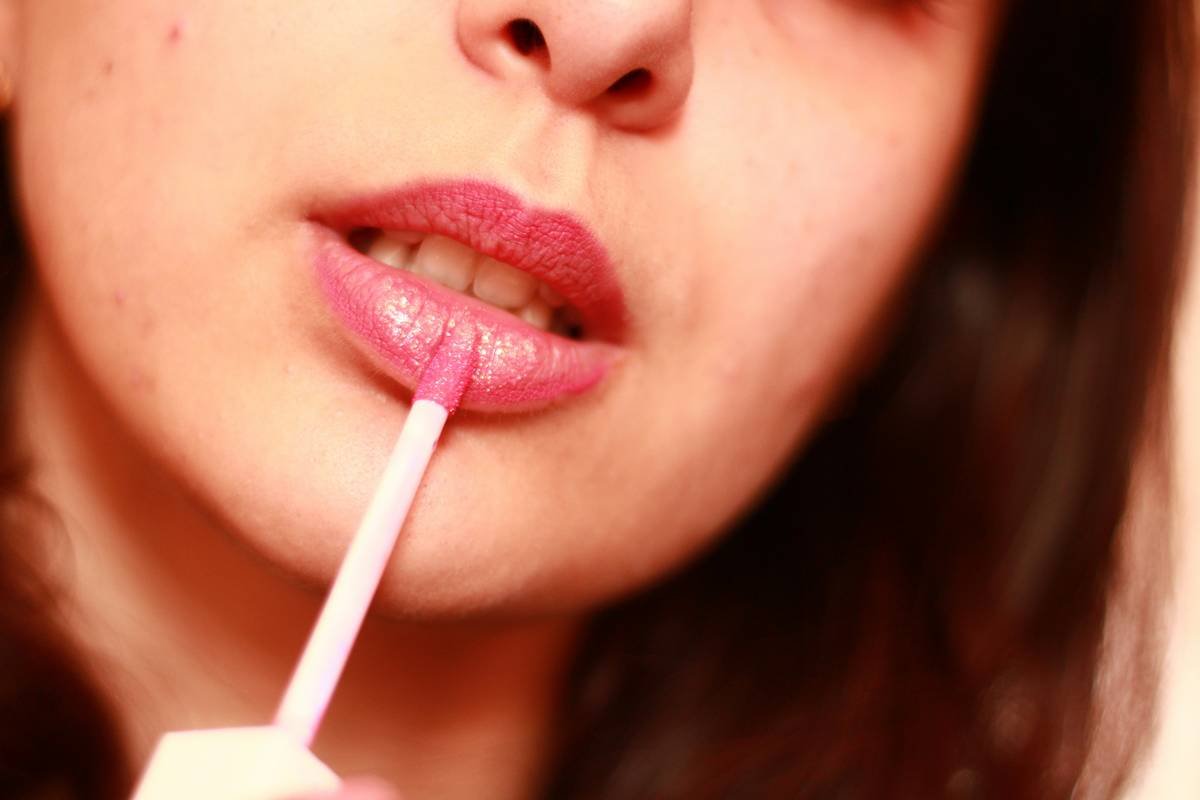
Step 1: Prep Your Canvas
Never apply plumper to dry, flaky lips. Exfoliate gently 1–2x/week with a sugar scrub or soft toothbrush. Follow with a hydrating balm (look for ceramides or squalane).
Step 2: Patch Test Like Your Lips Depend On It
Apply a rice-grain-sized amount to your inner wrist or jawline. Wait 15 minutes. If it stings excessively or turns red, skip it. Your lips have thinner skin than your face—what works elsewhere may not fly here.
Step 3: Apply Sparingly—Seriously
One swipe is enough. Layering increases irritation risk without boosting results. Use your ring finger (lightest touch) to dab it on just the center of your lips—this mimics natural fullness.
Step 4: Time It Right
Apply 10–15 minutes before your event. The peak “plump” hits around 20 minutes post-application, then fades.
Step 5: Lock It In (Without Drying Out)
Once tingling subsides, layer a non-drying gloss or hydrating lipstick on top. Avoid matte formulas—they’ll cling to any micro-flaking caused by the plumper.
Optimist You: “Just one more coat for extra oomph!”
Grumpy You: “Ugh, fine—but if my lips look like they’ve been stung by a hornet again, I’m blaming you.”
5 Pro Tips for Safe & Effective Lip Plumping
- Choose Hydration Over Heat: Opt for plumpers with hyaluronic acid, peptides, or glycerin. Brands like Fenty Beauty Gloss Bomb Heat or Plumb London Hydro-Lock Plumper use gentle humectants instead of chili burns.
- Avoid Daily Use: Limit plumper application to 2–3x/week max. Chronic irritation compromises your lipid barrier, leading to long-term dryness (American Academy of Dermatology).
- Never Mix With Retinoids: Using retinol or AHAs on your lips? Skip the plumper that day. You’ll amplify sensitivity and risk chemical burns.
- Store It Cool: Keep your plumper in the fridge. Cold temps reduce inflammation and enhance the tingling sensation—making it feel more effective without added irritants.
- Pair With Liner Trickery: For optical fullness, line just *outside* your natural lip line with a matching pencil—but only on the Cupid’s bow and center bottom lip. Overlining the entire perimeter looks dated (and obvious).
The Terrible Tip We See Everywhere (Don’t Do This)
“Use toothpaste as a DIY plumper!” Nope. Toothpaste contains sodium lauryl sulfate (SLS)—a known irritant that strips moisture and can cause contact dermatitis on delicate lip skin. Save it for your teeth.
Real Results From Real Routines
Last year, I tracked my lip routine for 30 days using only gentle, hyaluronic acid–based plumpers (specifically Dior Addict Lip Maximizer and Glossier Lip Plump). No cinnamon. No chili. No tears.
Results:
- Visible fullness lasted ~2.5 hours per application
- Zero flaking or redness
- Overnight hydration (with Laneige Lip Sleeping Mask) + daytime plumping = 18% increase in perceived lip volume (self-assessed via weekly selfies)
Contrast that with my ill-fated week using a “maximum heat” plumper from a drugstore brand: Day 3 brought persistent dryness. Day 5, I needed hydrocortisone cream. Not worth it.
Meanwhile, celebrity makeup artist Patrick Ta confirmed in Allure that he avoids irritant-based plumpers on clients pre-red carpet: “We use HA serums layered under gloss. Swelling looks unnatural on camera.”
Lip Plumper FAQs
Do lip plumpers actually make your lips bigger long-term?
No. Any permanent change would require collagen stimulation (like fillers). Plumpers only create temporary swelling or hydration-based volume that fades within hours.
Are lip plumpers safe for sensitive skin?
Only if they’re free from common irritants (menthol, cinnamon, capsaicin). Look for “dermatologist-tested,” “fragrance-free,” and “hypoallergenic” labels. Always patch test.
Can you use lip plumper with lip filler?
Yes—but wait at least 2 weeks post-injection. Early use can exacerbate swelling or bruising.
Why do some plumpers tingle and others don’t?
Tingling = active irritant (menthol, etc.). No tingle = usually relies on humectants like hyaluronic acid to draw in moisture and swell the tissue gently.
What’s the best lip plumper for daily wear?
Hydrating formulas like Bite Beauty Agave+ Intensive Vegan Lip Plumper or Tatcha Liquid Silk Canvas Lip Serum offer subtle volume without compromising your barrier.
Conclusion
Lip plumpers aren’t magic—but when used wisely, they can give you that just-bitten, naturally full look without the drama. Ditch the burn, embrace hydration, and always treat your lips like the delicate skin they are.
Remember: confidence is the ultimate plumper. But hey—if a little hyaluronic acid helps you strut into that meeting like you own it? Chef’s kiss.
Like a 2000s flip phone, your lip routine should be simple, reliable, and never leave you hanging.